

Woodland Hills Multifamily Real Estate Market Overview
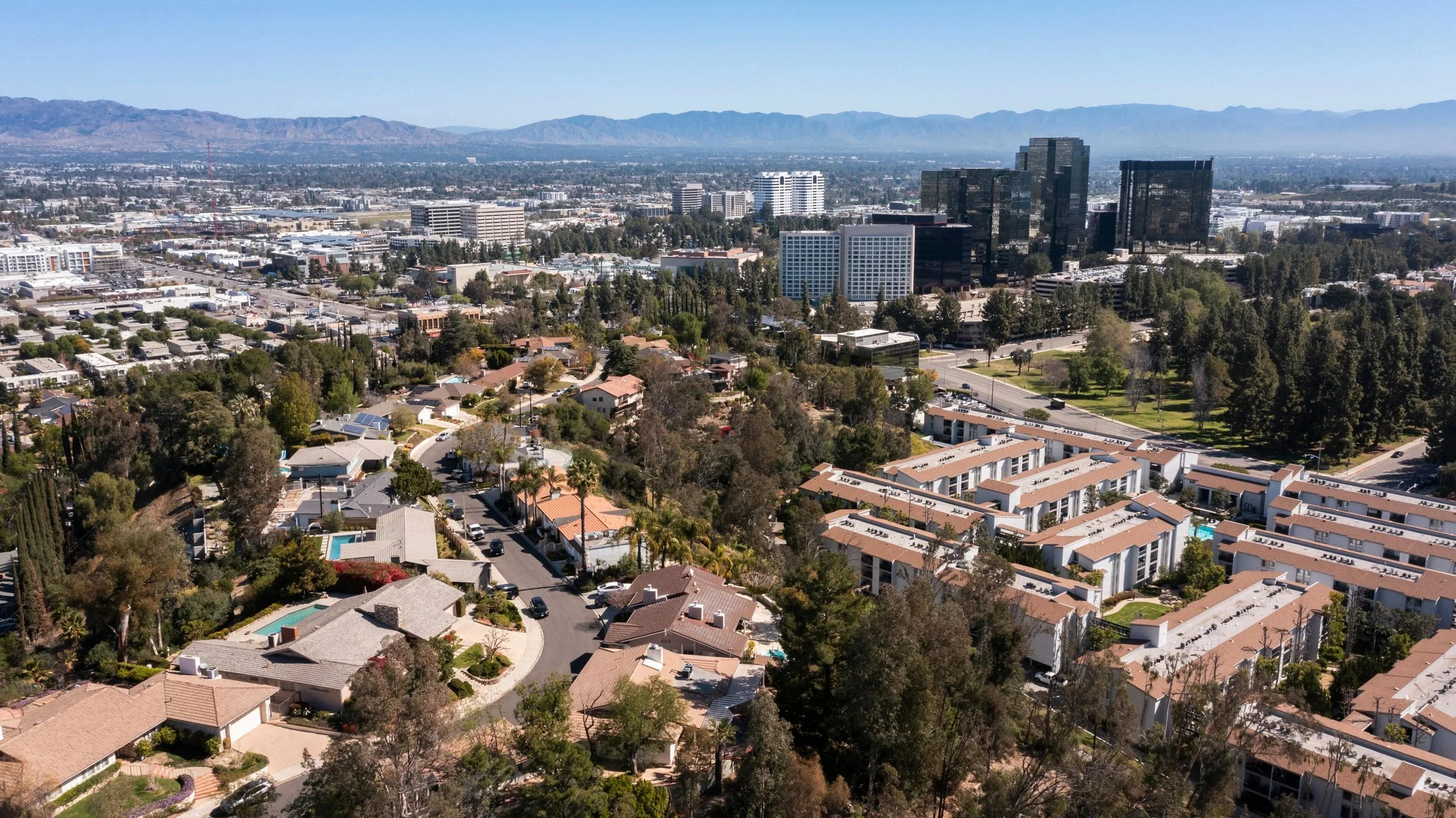
Woodland Hills is a prestigious and highly sought-after neighborhood located in the southwestern San Fernando Valley region of Los Angeles. Nestled against the scenic foothills of the Santa Monica Mountains, it offers residents an exceptional blend of suburban tranquility, upscale living, and convenient access to urban amenities.
The neighborhood is roughly bounded by the Ventura Freeway (US 101) to the south, Topanga Canyon Boulevard to the west, and stretches east toward Tarzana and West Hills. Ventura Boulevard serves as the vibrant main commercial corridor, lined with excellent restaurants, shopping centers, and entertainment options including Westfield Topanga and The Village.
Woodland Hills borders Calabasas and Hidden Hills to the west, and is known for its lush tree-lined streets, beautiful parks, top-rated schools, and active lifestyle. Popular activities include hiking in the Santa Monica Mountains, golfing at local courses, dining along Ventura Boulevard, and enjoying community events. Its prime location provides easy access to Warner Center, the Westside, and major freeways.

2025 Woodland Hills Multifamily Market Statistics at a Glance
Woodland Hills Annual Multifamily Apartment Building Sales Statistics*




Buildings Sold: 2
Avg. Sale Price: $78,840,000
Avg. Price/Unit: $391,266
Avg. Price/SF: $293
Get Your Free Woodland Hills Apartment Valuation
Discover What Your Building Is Worth Today
Sell Your Woodland Hills Apartment Building
It is imperative to understand how rent control and Measure ULA exposure will impact the value of your Woodland Hills apartment building
Woodland Hills Multifamily Market Overview 2026
Woodland Hills is a neighborhood within the City of Los Angeles that attracts steady renter demand from professionals and families drawn to its location, amenities, and relative value compared with the Westside. Cap rates in the area typically range from approximately 4.5% to 5.5%. Price per unit commonly falls in the $250,000 to $400,000+ range, depending on building condition, unit mix, and proximity to Warner Center or other commercial corridors.
The typical apartment building is a 4- to 20-unit property built between the 1950s and 1980s, with meaningful LARSO exposure across much of the older inventory. Buyer demand comes from local and regional investors, 1031 exchange buyers, and operators seeking stable Valley assets with long-term upside.
Woodland Hills Rent Control and Measure ULA
Woodland Hills falls under the City of Los Angeles Rent Stabilization Ordinance (LARSO). Most buildings with two or more units that received a certificate of occupancy on or before October 1, 1978 are covered. The current allowable annual rent increase is 3.0% through June 30, 2026. Beginning July 1, 2026, the formula shifts to 90% of local CPI, with a hard ceiling of 4.0% and a floor of 1.0%.
Buildings not covered by LARSO may still fall under AB 1482 statewide protections. Measure ULA fully applies in Woodland Hills. For transactions closing after June 30, 2026, the 4% surcharge applies above $5.4 million and the 5.5% surcharge applies at or above $10.9 million, on top of the City’s base transfer tax.
Because many Woodland Hills buildings can approach or cross these thresholds depending on unit count and price per door, careful structuring and timing around Measure ULA is an essential part of any sale strategy.
How to Sell a Woodland Hills Apartment Building
Woodland Hills benefits from its West Valley location, strong local demand, and appeal to both owner-users and investors. Sellers of long-held properties must also navigate low tax basis, depreciation recapture, and potential 1031 exchange opportunities into higher-yield markets.
An experienced Woodland Hills multifamily listing broker who understands both the local Valley dynamics and the City of Los Angeles regulatory framework can help you evaluate pricing, ULA exposure, and the optimal path to maximize your net proceeds.
Woodland Hills Multifamily Statistics
Average Rent vs Vacancy Rate- Historical & Estimated
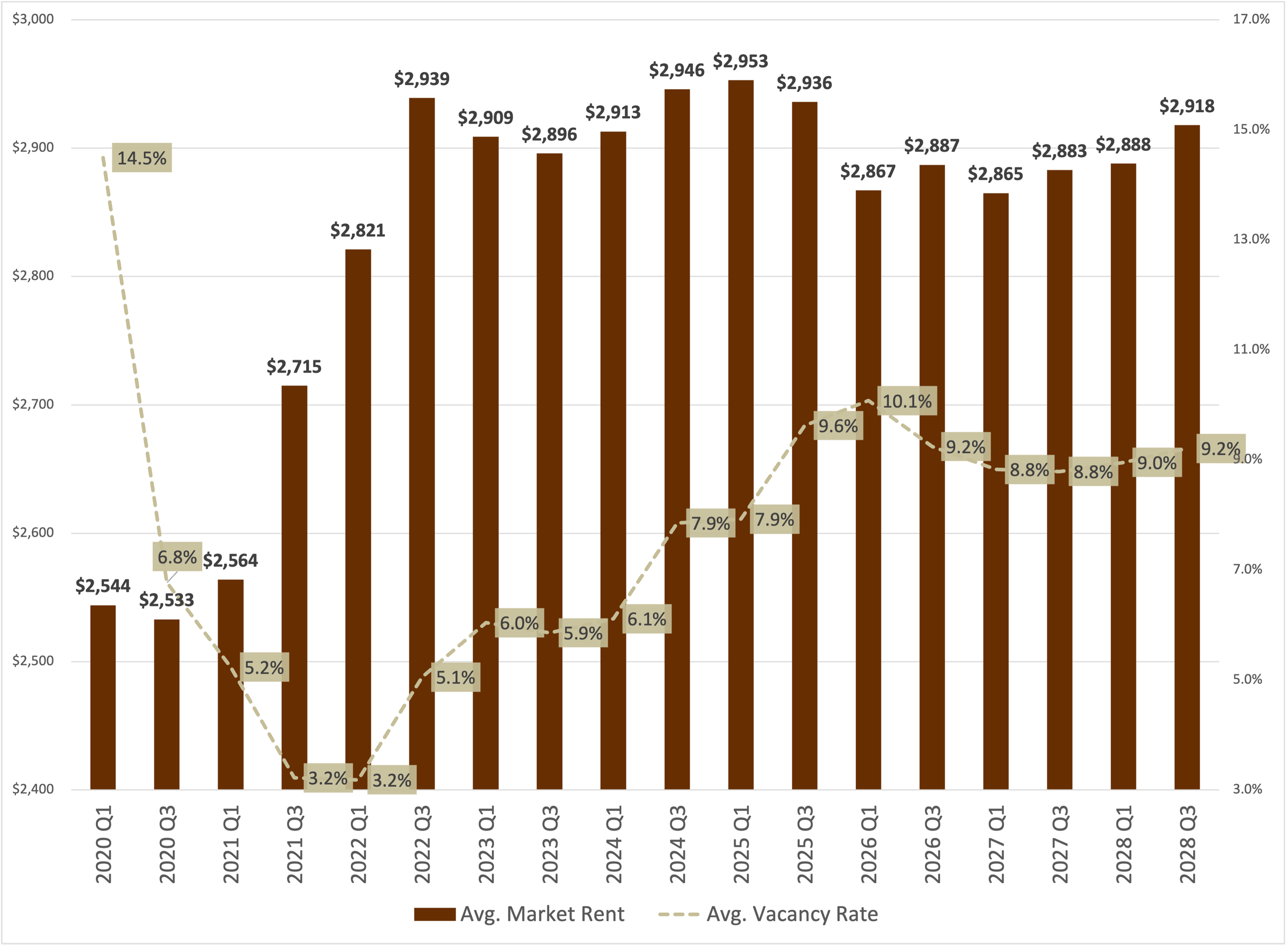
2025 Q3: Woodland Hills, California Multifamily Average Rent: $2,936 Average Vacancy Rate: 9.6%Average GRM and Cap Rate- Historical
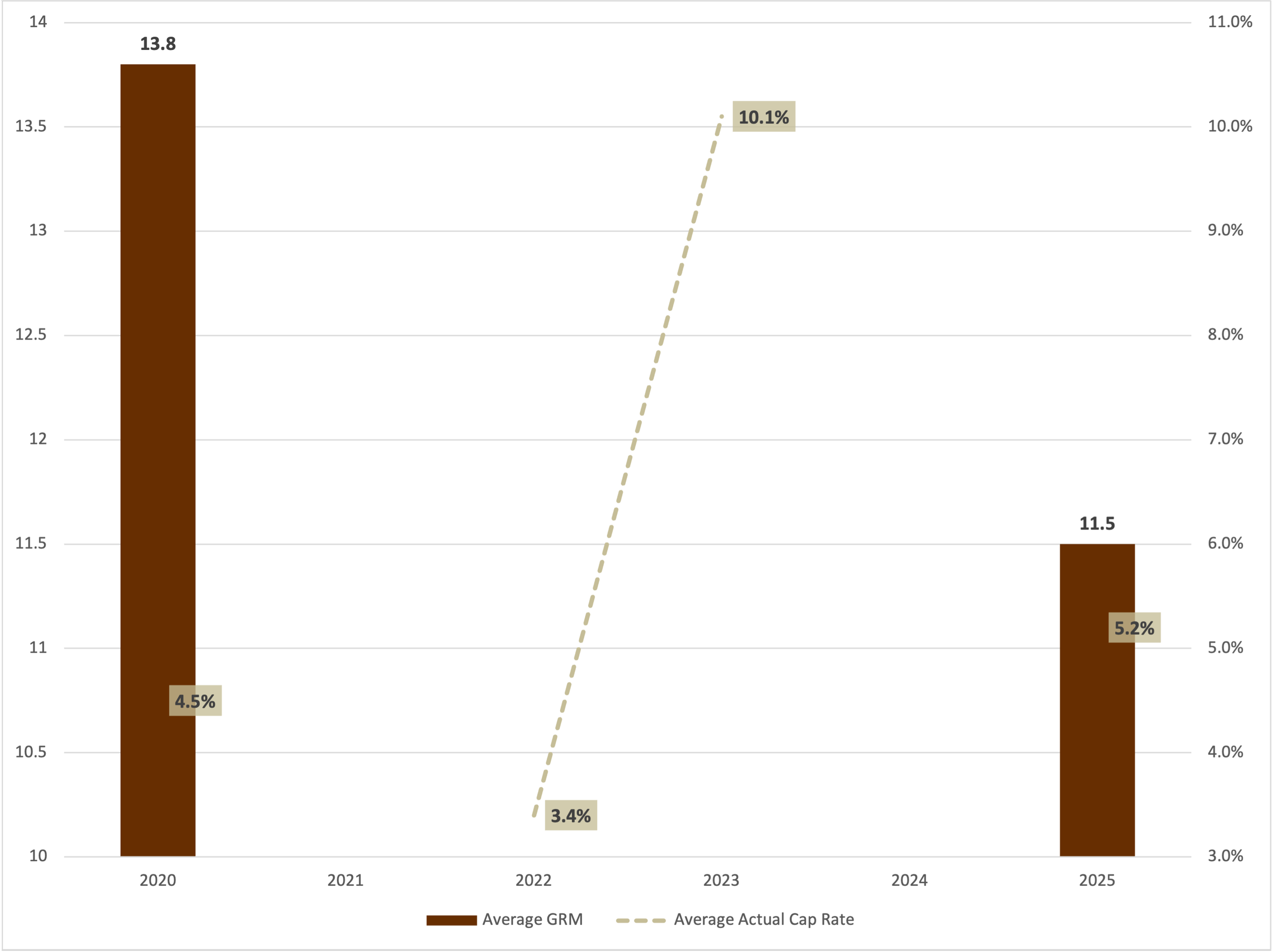
2025: Woodland Hills, CA Average GRM: 11.5 , Cap Rate 5.2%Number of Multifamily Buildings Sold- Historical
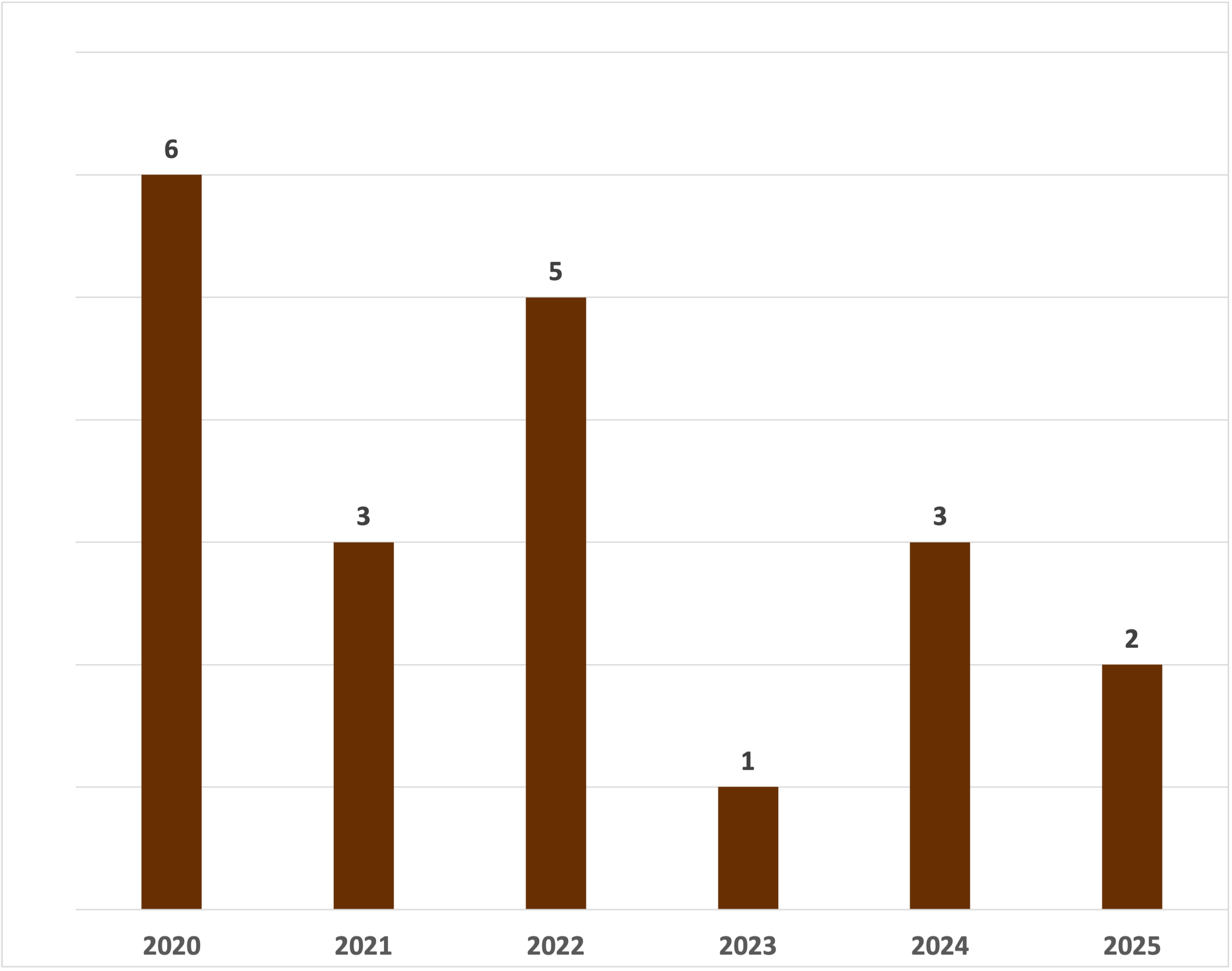
2025: Woodland Hills, California Multifamily Buildings Sold: 2Average Price/Unit and Price/SF- Historical
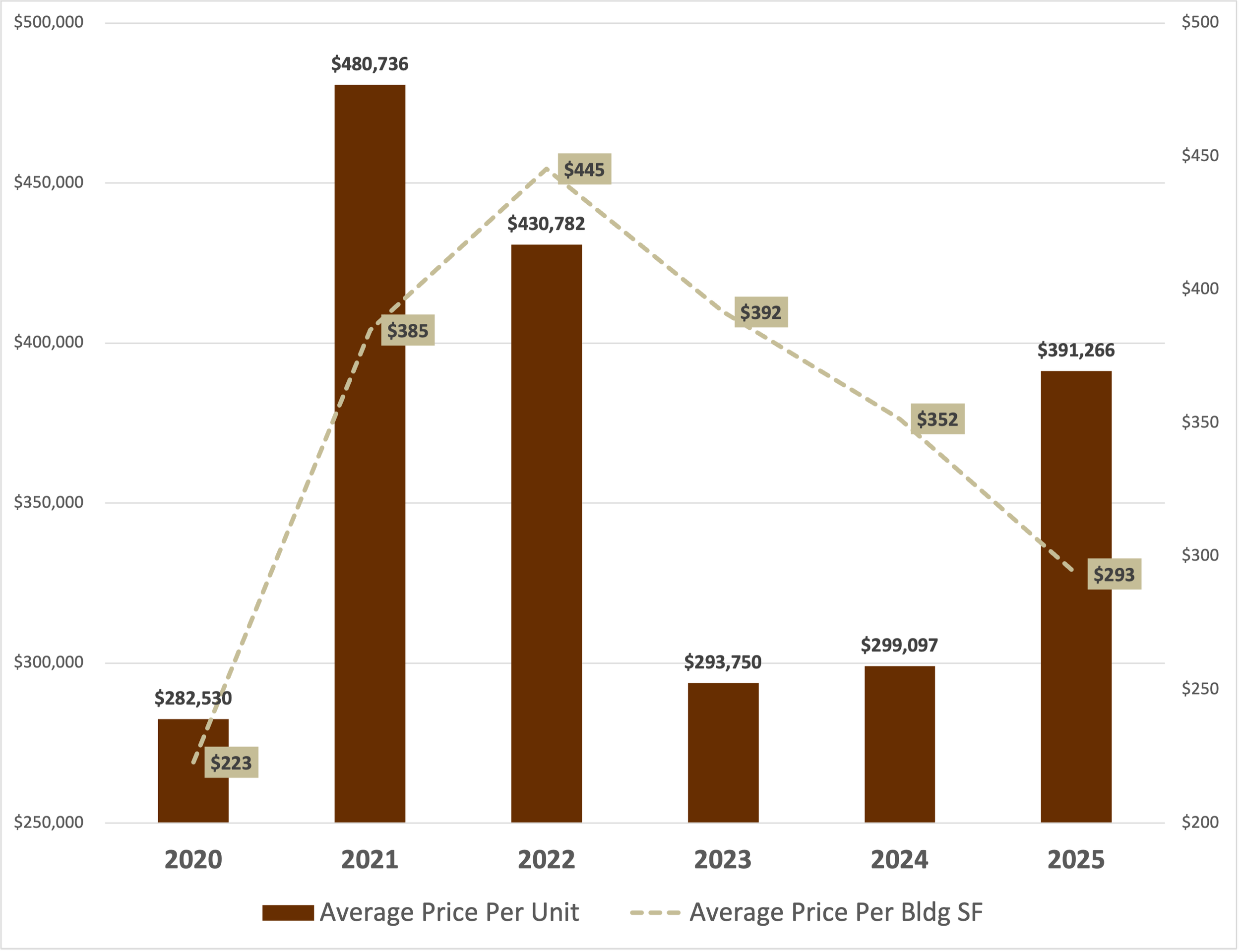
2025: Woodland Hills, California Multifamily Average Price/Unit Sold: $391,266 Price/SF Sold: $293Historical and estimated market statistics for the Woodland Hills, California multifamily apartment building submarket. The graphs above show the average Price/Unit, Price/SF, GRM, Cap Rate, Average Asking Market Rent and Vacancy for Woodland Hills multifamily apartment buildings for the years 2020-2025. *All data has been obtained from CoStar. Jake Plewa, the Taksa Investment Group and ReMax Commercial cannot guarantee the accuracy of the data above. The graphs and statistics are for information purposes only. Frequently Asked Questions: Woodland Hills Apartment Buildings
It is imperative to understand how rent control and Measure ULA exposure will impact the value of your Woodland Hills apartment building
Does Measure ULA apply to apartment sales in Woodland Hills?
Yes. Woodland Hills is within the City of Los Angeles, so Measure ULA fully applies. For transactions closing after June 30, 2026, the 4% surcharge applies to sales above $5.4 million and the 5.5% surcharge applies at or above $10.9 million, on top of the City’s base transfer tax.The typical apartment building is a 4- to 16-unit property built between the 1950s and 1970s, with significant LARSO exposure across much of the inventory. Buyer demand comes from local and regional investors, 1031 exchange buyers, and value-add operators focused on rent recovery stories in the Valley.
Is Woodland Hills under rent control?
Yes. Most apartment buildings in Woodland Hills with 2 or more units built on or before October 1, 1978 are covered by the Los Angeles Rent Stabilization Ordinance (LARSO). The current allowable annual rent increase is 3.0% through June 30, 2026. Beginning July 1, 2026, the formula changes to 90% of local CPI, with a minimum of 1% and a maximum of 4%. Buildings not covered by LARSO may still be subject to AB 1482 statewide rent protections.
How do I sell an apartment building in Woodland Hills that is subject to ULA?
Start by accurately calculating your net proceeds with the Measure ULA surcharge included. Work with a woodland Hills multifamily listing broker who understands how to market the property to buyers who have already factored ULA into their underwriting. Timing the close date relative to the annual threshold adjustment and exploring all legally available structuring options should also be part of the strategy conversation with your broker and escrow counsel.
What is the typical cap rate and price per unit in Woodland Hills?
Cap rates in Woodland Hills generally range from approximately 4.5% to 5.5%. Price per unit commonly falls between $250,000 and $400,000+, depending on building condition, unit mix, location, and upside potential. Newer or higher-quality assets near Warner Center can command premiums.
Best Woodland Hills Apartment Broker
We are a full-service real estate brokerage specializing in Los Angeles apartment building sales and multifamily transactions. With a powerful nationwide network of lenders, brokers, and industry professionals, we deliver exceptional results for apartment building owners and investors both locally in Woodland Hills and the Greater Los Angeles area.
-
Our experienced team delivers accurate apartment building valuations and multifamily property valuations throughout Woodland Hills and the San Fernando Valley. Using in-depth market analysis and recent comparable sales (comps), we help apartment owners determine true market value — ideal for inherited buildings, estate planning, or tax purposes.
-
Our experienced team specializes in representing sellers of Woodland Hills apartment buildings and multifamily properties. We provide unmatched buyer exposure through our nationwide network, strategic marketing on LoopNet, CoStar, CREXi, and MLS, and targeted campaigns that attract serious investors fast.
-
Our experienced team expertly guides investors through 1031 exchanges, helping you identify the ideal replacement property — particularly in sought-after NNN properties and triple net lease investments. We manage the full 1031 exchange process with confidence, supported by a proven track record and an extensive network of NNN experts.
-
Whether you're completing a 1031 exchange or seeking a passive investment, our nationwide network connects you with premium NNN properties, triple net lease investments, and high-quality single-tenant replacement properties. We help you find the right assets for steady cash flow and minimal management, backed by deep relationships across the U.S.